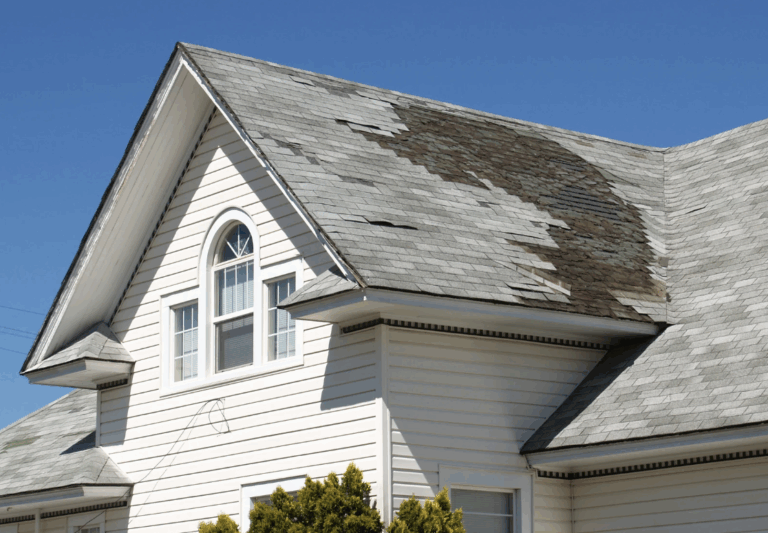
Roof damage from storms, hail, and/or high winds is one of the most common and expensive homeowner insurance claims in the United States. A single severe weather event can easily cause $10,000–$30,000 or more in repairs, and the difference between a smooth claim and a nightmare often comes down to how quickly and professionally you respond.
Acting quickly while following the correct steps dramatically improves your chances of getting a fair settlement. Thorough documentation, clear communication with your insurer, and the right professional support can mean the difference between receiving full replacement cost and being underpaid by thousands. Perhaps most importantly, truly understanding the fine print in your policy prevents unpleasant surprises—like discovering that your 20-year-old roof will only be paid out at depreciated “actual cash value” instead of full replacement cost.
Every insurance company handles roof claims a little differently, and those differences can have a big financial impact. Some insurers are known for fast, fair payouts with minimal pushback (examples often cited by policyholders and public adjusters include Amica, USAA, and Chubb), while others—State Farm, Allstate, Farmers, Travelers, and Liberty Mutual—are frequently criticized for aggressive depreciation schedules, strict cosmetic-damage exclusions, and delaying tactics. Knowing your carrier’s reputation and the specific wording of your policy puts you in a much stronger position from day one.
What Should You Do Immediately After Roof Damage?
Time is your enemy when a roof is compromised. Water can migrate quickly and turn minor shingle damage into major interior rot or mold within 24–48 hours.
1. Document everything before you touch anything.
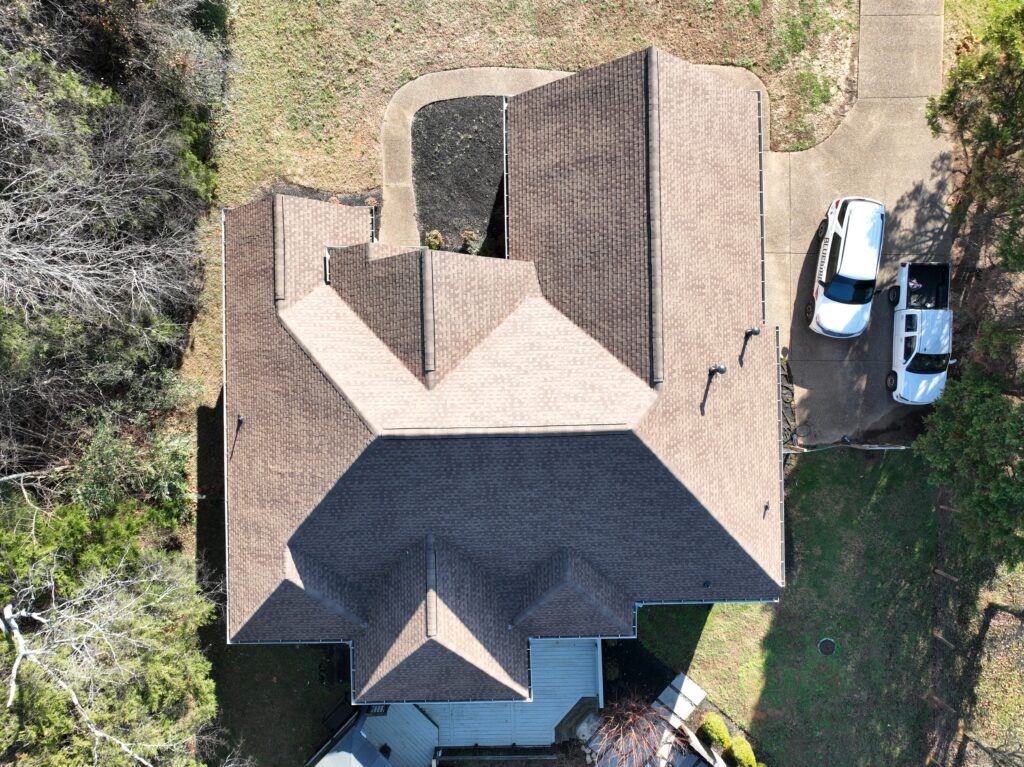
Take high-resolution photos and videos from every angle—wide shots of the whole roof and close-ups of lifted or missing shingles, cracked or cupped areas, damaged flashing around chimneys and vents, dented gutters, and any interior water stains or ceiling damage. Drone photos are excellent if you have access to one.
2. Record the exact date, time, and weather event.
Insurers often ask for evidence that the damage occurred during a covered peril (wind, hail, fallen tree, etc.). Save local weather reports or radar screenshots from that day. Pictures and video of hail with your house in view is a big help as well. But only once the weather has passed and it is safe.
3. Stay off the roof if at all possible.
Wet or damaged roofs are extremely slippery and collapses happen every year. Use binoculars or a drone, or wait for a professional.
4. Preserve receipts for emergency mitigation.
If you buy tarps, plywood, or hire someone to temporarily cover holes, keep every receipt. Most policies reimburse reasonable emergency expenses.
When Should You Contact Your Insurance Company?
Call your insurer the same day or the next morning after documenting the damage. Most policies have a clause requiring “prompt notice,” and delays beyond a few days can give the company grounds to reduce or deny your claim.
When you call:
- Give a brief, factual summary: “A severe thunderstorm with 65 mph gusts and 1-inch hail passed through on [date]. I’ve observed missing shingles, dented metal flashing, and interior ceiling stains.”
- Ask for your policy’s specific deductible (it may be a higher “wind/hail percentage deductible” in many states).
- Confirm the claim filing deadline—some policies impose 30–60 day limits, though most states require at least one year.
- Write down the claim number, the adjuster’s name, direct phone, and email.
Different insurers move at very different speeds. USAA and Amica customers frequently report desk adjusters assigned within 24 hours and field inspections within 3–5 days. In contrast, many State Farm and Allstate claimants describe waits of 2–4 weeks for the first inspection, especially after widespread storm events.
How Can You Prevent Further Damage Before Repairs?
Your policy almost certainly contains a “duty to mitigate” clause—you must take reasonable steps to prevent additional damage, or the insurer can deny coverage for anything that happens afterward.
Safe, temporary measures are almost always reimbursable:
- Have a licensed roofer securely tarp exposed areas.
- Remove standing water and set up fans/dehumidifiers inside.
- Move furniture, electronics, and valuables out of leak paths.
Do NOT begin permanent repairs (tear-off, new shingles, etc.) until the adjuster has documented the damage. If you do, the insurer may claim they couldn’t properly assess the loss and pay less.
What Role Does a Roofing Contractor Play in the Claims Process?
A reputable local roofing contractor, such as Bluebird Roofing, who understands insurance claims can be your strongest ally.
They will:
- Perform a thorough and detailed inspection (including attic ventilation, decking condition, and hidden hail bruising).
- Provide a detailed photo roof report for your records.
- Identify damage the adjuster might miss or downplay.
- Meet the adjuster on-site and walk the roof with them if needed.
Many contractors now offer “insurance claim support” packages at no upfront cost—they get paid only when the claim is approved, usually through a supplement process. Just make sure they are fully licensed, carry at least $1–2 million in general liability and workers’ comp, and have strong local references. Avoid “storm chasers” who show up unsolicited with high-pressure “sign here today and we’ll waive your deductible” offers—those are frequently fraudulent and can get your claim denied.
What Should You Review in Your Insurance Policy?
Pull out your declarations page and review the actual policy wording. Pay particular attention to:
- Deductible type: Flat dollar amount vs. 1–5% wind/hail deductible. A 1% deductible on a $400,000 home is $4,000 out of pocket.
- Covered perils: Most HO-3 policies cover wind and hail, but some exclude “wind-driven rain” if seals failed due to age/wear.
- Cosmetic damage exclusions: Many newer policies (especially from Farmers, Travelers, and Allstate) contain “cosmetic damage” or “matching” exclusions that deny claims for marring, denting, or granule loss to metal roofs/fascia if it doesn’t impair function.
- Depreciation and valuation method:
– Replacement Cost Value (RCV) pays full cost to replace with like kind and quality.
– Actual Cash Value (ACV) deducts depreciation—often 50–80% on a 15–25 year-old roof. Some carriers (notably State Farm and Liberty Mutual) default to ACV unless you paid extra for an RCV endorsement.
- Roof age schedules: Certain insurers automatically shift roofs over 10–20 years old to ACV or impose “roof payment schedules” that pay only a percentage based on remaining useful life.
Knowing these details before the adjuster writes the estimate lets you challenge incorrect depreciation or exclusions immediately.
How Can You Stay Organized During the Claim?
- Create a simple claim folder (physical or digital) and log everything:
- Date/time/name of every phone call or email.
- Copies of all photos and videos.
- Contractor estimates and inspection reports.
- Adjuster’s scope and estimate (you are entitled to a full copy).
- Supplement requests and revised estimates.
Transparency and a complete paper trail make it much harder for an insurer to lowball or delay without justification.
What Are Common Mistakes to Avoid During a Roof Insurance Claim?
- Starting permanent repairs before the adjuster inspects.
- Waiting weeks or months to report the claim—delays can lead to denials.
- Hiring unlicensed or out-of-state “storm chaser” contractors who disappear or do shoddy work.
- Accepting the first check as “final”—most claims can (and should) be supplemented when the roofer tears off and finds hidden decking rot, multiple layers, or code upgrades.
- Ignoring small leaks—water damage that develops later is often excluded as “neglect.”
- Signing a contractor’s “Assignment of Benefits” (AOB) without understanding it—in some states this hands full control of your claim to the roofer.
Schedule Your Complimentary Roof Inspection
What is one of your most valued, if not the most valued investments that you own? It is your home! Are you interested to know if your investment has been hit by wind, hail, or storms in the last 3 –18 months? I would be, and I wouldn’t want to leave money on the table. Bluebird Roofing offers a completely free, no-obligation inspection and detailed insurance-ready report! We perform our inspections the exact same way your adjuster does. We’re happy to meet the adjuster at your home, one of your most valued investments, to make sure every damaged item is properly documented.
We’ve helped thousands of homeowners in Tennessee recover tens of thousands of dollars that would have been lost to depreciation, missed damage, or cosmetic exclusions. There is zero cost or commitment for the inspection—even if you decide not to move forward with repairs.
Get scheduled at Bluebird Roofing today, to schedule your complimentary inspection and take the stress out of your potential insurance claim. Not every inspection ends with a claim, but if it does, your investment —and your wallet—will thank you!
Expert Roofing Services in Brentwood, TN & Surrounding Neighborhoods
Bluebird Roofing is committed to providing premium roofing services that go above and beyond your expectations. As your trusted advocate and roofing expert, we focus on giving you outstanding support when protecting the things that matter most. We ensure excellence in our craft and clear communication at every stage of the process, so you can rest assured knowing your roof is in good hands.
We proudly serve: Brenthaven, Governors Club, Brentmeade, Witherspoon, Annandale, Princeton Hills, Crockett Springs, Hearthstone, Hampton Reserve, Hemmingwood, Lansdowne, Magnolia Vale, Inglehame Farms, Chenoweth, Primm Farm, Terrabrooke, Delfimo, Voce, and the entire Brentwood area.
For trusted roofing expertise in Brentwood, TN, and these surrounding communities, contact Bluebird Roofing today! Call (615) 758-9101 or Schedule a Free Home Evaluation online.