Natural slate has the longest potential lifespan of any roofing material, often exceeding 100 years. For most Tennessee homes, though, standing seam metal offers the strongest practical mix of longevity, wind resistance, and moisture protection without the structural demands slate requires. Class 4 impact-resistant shingles give you a durable, traditional-looking option at a lower upfront cost.
In this article, we’ll walk through the conditions your roof faces here, compare the leading materials side by side, and help you figure out which one fits your home.
What Makes a Roofing Material Durable in Tennessee?
Durability comes down to how well a roof keeps its structure and its weatherproofing intact over time, not just the number printed on a warranty. A product’s warranty length, its expected service life, and its maximum possible lifespan are three different figures, and manufacturers don’t always make the distinction clear.
Tennessee roofs deal with a specific set of stresses year-round:
- Severe thunderstorms and strong straight-line winds
- Hail and wind-driven debris
- Heavy rain and the risk of water intrusion
- Hot, humid summers
- Temperature swings and occasional freeze-thaw cycles
- Algae, mold, and sustained moisture exposure
Wind rating, impact rating, corrosion resistance, moisture management, and fire resistance all factor into how a material performs against these conditions. A shaded roof surrounded by trees also faces different risks than an open, sun-exposed one, so your specific property matters as much as the material itself.
Once you understand what your roof is up against, comparing materials side by side makes a lot more sense.
Which Roofing Materials Last the Longest?
Natural slate lasts the longest of any common roofing material, followed by clay or concrete tile and standing seam metal. Here’s a quick comparison:
| Roofing Material | Typical Potential Lifespan | Primary Strength | Main Limitation |
|---|---|---|---|
| Natural slate | 75–150+ years | Exceptional longevity and fire resistance | High cost and substantial weight |
| Clay or concrete tile | 50–100 years | Fire, insect, and weather resistance | Heavy, and individual tiles can crack |
| Standing seam metal | 40–70+ years | Wind, rain, fire, and heat performance | Higher upfront cost than shingles |
| Composite slate or shake | 40–50+ years* | Impact resistance with less structural weight | Performance varies by manufacturer |
| Class 4 asphalt shingles | 25–30+ years* | Storm resistance at a moderate price | Shorter lifespan than premium systems |
| Standard architectural shingles | 15–25 years in Tennessee | Affordability and availability | More vulnerable to repeated storm exposure |
*Check manufacturer documentation for product-specific figures.
Do note, though, that these ranges are general estimates. Climate, roof pitch, ventilation, maintenance, and installation quality all shape how long a roof actually lasts in real conditions. Slate sits at the top for pure longevity, so it may be good to consider it first.
Why is Natural Slate the Longest-Lasting Roofing Material?
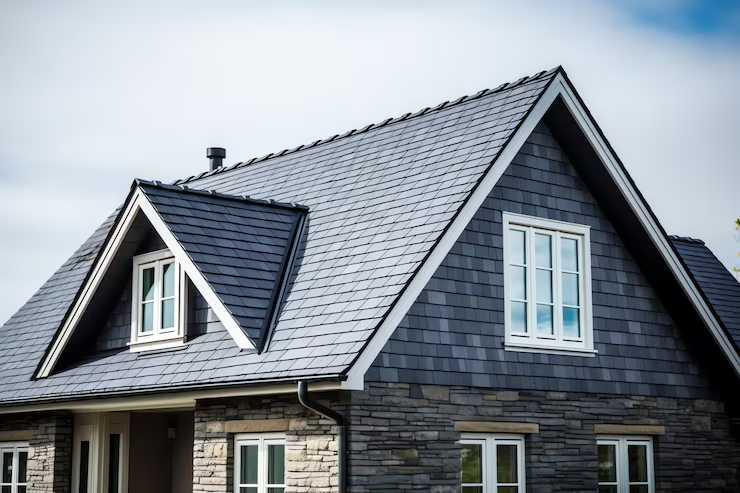
Slate lasts the longest because it’s dense natural stone that doesn’t rot, attract insects, or burn. Quality slate can last well beyond 100 years when installed and maintained properly, and it resists water, mold, and general weathering better than nearly any other roofing product.
However, that longevity does come with some tradeoffs. Slate weighs considerably more than asphalt shingles or most metal systems, so your roof framing may need an engineering evaluation or reinforcement before installation. It also requires installers with specialized experience, since poor fastening, incompatible flashing, or foot traffic in the wrong spots can shorten the system’s useful life.
- Material and labor costs run high compared to most other options
- Individual tiles can crack from severe impact or improper foot traffic
- Repairs may require matching the slate’s size, thickness, and color
Slate leads on lifespan, but it isn’t automatically the right purchase for every home. Metal roofing closes much of that longevity gap while asking less of your structure.
Is Metal Roofing the Best Durable Choice for Tennessee Homes?
Metal roofing offers the strongest practical long-term performance for most Tennessee homes, combining a long lifespan with real resistance to wind, rain, and heat.
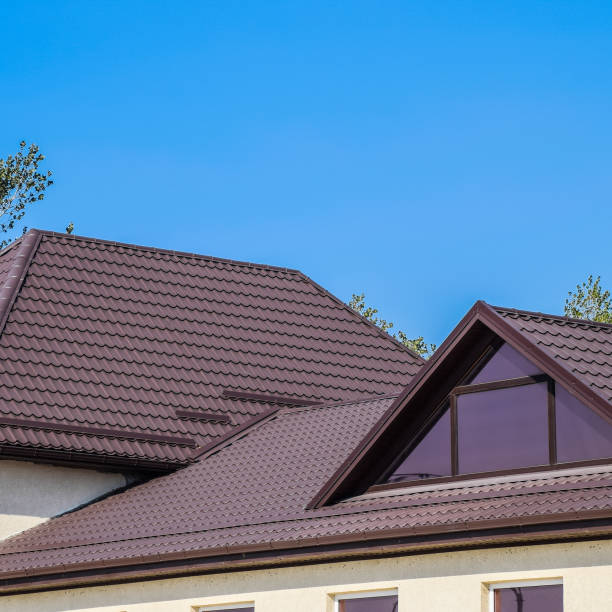
Standing seam metal uses concealed fasteners to cut down on exposed points where water can get in. It sheds heavy rain, resists wind uplift when properly secured, and typically lasts 40 to 70 years or more depending on the system and maintenance. Stone-coated metal mimics the look of shingles, shakes, or tile while adding impact resistance, though lifespan depends on the specific product and installation.
Reflective finishes help cut solar heat absorption in Tennessee summers, and wind performance depends on the tested assembly rather than a single rating you can apply across every metal roof.
Metal’s limitations are worth weighing too:
- Higher upfront cost than most asphalt shingles
- Large hail can dent certain gauges and profiles
- Requires compatible fasteners, coatings, flashing, and underlayment
- Poor installation can lead to expansion and contraction issues over time
Our comparison of metal roofing and shingles for Tennessee homes covers this tradeoff in more detail. If metal’s cost feels out of reach, Class 4 shingles offer a more budget-friendly path to durability.
Are Class 4 Impact-Resistant Shingles More Durable?
Class 4 shingles actually carry the highest impact-resistance rating under the UL 2218 testing standard, and that rating reflects lab-tested performance. Impact resistance and wind resistance are tested and rated separately, so a Class 4 label doesn’t automatically mean superior wind performance.
Reinforced or modified shingle formulations resist cracking and granule loss better than standard products, which makes them appealing in areas that see regular hail and wind-driven debris. Some insurers offer discounts for qualifying products, though eligibility depends on your insurer and policy.
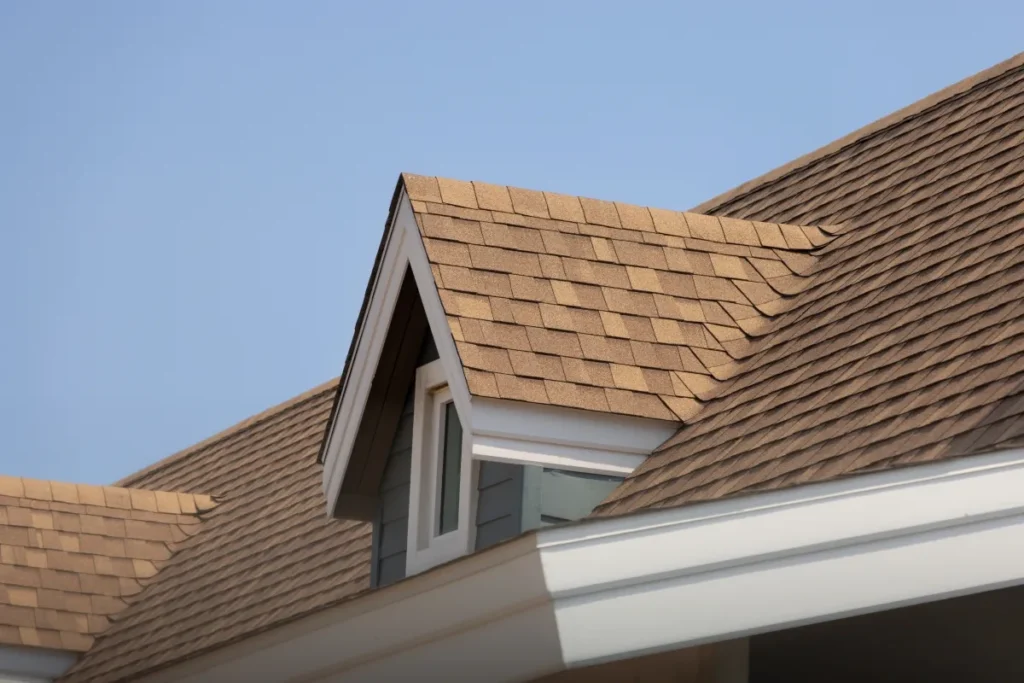
Class 4 shingles land in the middle of the pack: they keep a familiar shingle appearance, generally cost less upfront than metal or slate, and hold up better than standard shingles in storms. But installation quality, ventilation, sun exposure, and maintenance still determine how long they actually last on your roof.
Are Tile and Synthetic Roofing Good Long-Term Alternatives?
Clay and concrete tile can last 50 to 100 years and resist fire, insects, rot, and severe weather about as well as metal. That durability comes with significant weight, so your home may need structural reinforcement, and individual tiles can crack from impact or foot traffic. Tile is also less common in Tennessee than metal or asphalt, which can make finding an experienced installer or a matching replacement tile harder.
Composite slate and shake products imitate the look of natural slate or wood shake with a fraction of the weight. They can offer impact resistance, a lighter structural load, and resistance to rot, but material composition, testing, and proven lifespan vary a great deal between manufacturers.
What is the Best Roofing Material for the Money?
The material with the lowest installation price and the material with the lowest long-term cost are usually two different answers. To figure out which one fits your situation, weigh:
- How many years you plan to stay in the home
- Local storm exposure and roof pitch
- Expected maintenance and repair frequency
- Whether structural reinforcement is needed
- Energy performance and warranty terms
- Insurance requirements or potential discounts
- How often you’d realistically need to replace the roof
A simple way to frame it: slate gives you the longest possible lifespan, standing seam metal gives you the strongest practical long-term performance, Class 4 shingles give you durability with a traditional look at a more accessible cost, and tested composite products offer a premium appearance without slate’s full weight. A project-specific estimate from a local contractor will tell you more than any national average.
Why Doesn’t a 30-Year Shingle Always Last 30 Years?
A “30-year shingle” refers to a product classification or expected performance under favorable conditions. Several factors can shorten that lifespan considerably:
- Repeated hail and wind exposure
- Excess attic heat
- Poor ventilation
- Moisture trapped inside the roof assembly
- Incorrect nailing or flashing
- Low roof slope or drainage problems
- Tree debris and skipped maintenance
Manufacturer defects, installation problems, and storm damage are three separate issues, so do review your material warranty and workmanship warranty as two distinct documents rather than one blanket promise. Tennessee’s storms, heat, and humidity all play a role in how quickly a shingle roof ages, which is covered in more depth in our guide to how long roofs last in Tennessee.
How Do Installation and Maintenance Affect Roof Durability?
A durable material can still fail early if the roofing system around it is poorly designed or installed. A complete system includes the decking, underlayment, flashing, fasteners, drip edges, valleys, ventilation, and gutters, and each piece has to work together to keep water out.
Correct fastening patterns and manufacturer specifications matter at installation, especially around edges and penetrations, which are common points of wind or water failure. Slate, tile, metal, and shingles each require different installation expertise, and both local code requirements and manufacturer instructions need to be followed.
On the maintenance side, schedule periodic professional evaluations and have your roof checked after major storms. Clear debris regularly, keep an eye on flashing, make sure gutters drain properly, and address minor damage before it spreads. Inspect what you can from the ground and leave roof access to trained professionals. Our seasonal roof maintenance checklist covers this in more detail.
How Should You Choose a Durable Roof for Your Home?
Start by evaluating your existing structure to see whether the framing can support the added weight of slate or tile. From there, identify your property’s biggest weather risks, including wind exposure, nearby trees, hail history, shade, and drainage patterns.
Set a realistic ownership horizon, since staying in your home for decades changes how you might value metal or slate compared to preparing to sell in a few years. Compare complete roofing systems rather than the visible material alone, and look closely at underlayment, flashing, ventilation, fasteners, and workmanship. Ask about product-specific impact, wind, and fire ratings, and compare lifecycle value by weighing expected maintenance and replacement frequency against the initial estimate.
A roof-specific professional evaluation accounts for your roof’s pitch, deck condition, architecture, and budget in a way that general research can’t.
Which Durable Roofing Option Is Right for Your Tennessee Home?
Natural slate leads in maximum lifespan, standing seam metal often provides the most practical combination of longevity, weather resistance, and manageable weight, and Class 4 shingles deliver durability with a traditional look and a lower initial cost. Your roof’s structure, installation quality, ventilation, and local weather exposure can all shift which option makes the most sense for your home.
Schedule Your Free Roof Evaluation
If you’re still weighing your options, we’re happy to help you compare systems in person. Schedule a complimentary roof evaluation with Bluebird Roofing to see the condition of your current roof and get recommendations built around your home’s structure, budget, and weather exposure.