
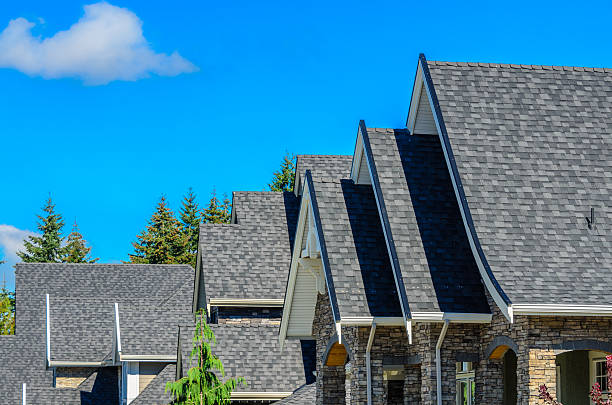
Tennessee homeowners pay roughly $6,500 to $20,000 for a new roof, with most projects landing in the $8,000 to $9,000 range on average. Your final number depends on home size, roofing material, roof complexity, and where you live.
However, prices shift from city to city. A roof replacement in Nashville can cost more than the same job in a smaller surrounding community like Mt. Juliet, largely because of labor rates, permitting requirements, and local demand.
In this guide, we break down roofing costs by home size, material, city, and the hidden factors that can change your estimate. We also cover insurance coverage and financing so you know what to expect before a contractor sets foot on your roof.
How Much Does a New Roof Cost in Tennessee?
Tennessee homeowners typically spend $6,500 to $20,000 on a new roof, with the average project falling around $8,000 to $9,000. Your material choice has the biggest single effect on where you land in that range.
Here’s a quick summary of estimated cost by material:
| Roofing Type | Estimated Cost per Square Foot | Estimated Total Cost |
| Asphalt shingles | ~$5 | $6,500–$7,000 |
| Metal roofing | ~$9–$10 | $12,000–$13,000 |
| Wood shingles | ~$11 | $15,000–$16,000 |
| Clay tile | ~$14–$15 | $19,500–$20,000 |
| Slate | ~$14–$15 | $19,500–$20,500 |
These are estimates based on general industry pricing trends. Every roof is different, and the only way to get an accurate number is through an in-person inspection. From there, we can walk you through pricing for your specific size, material, and location.
How Does Roof Size Affect the Cost of a New Roof?
Roof size (not home square footage) drives most of your replacement cost. A one-story ranch and a two-story home with the same interior square footage can have very different roof sizes once you account for pitch and overhangs.
How Roofing Contractors Measure a Roof
Roofers use a unit called a “square,” which equals 100 square feet of roof surface. To calculate your roof’s total squares, a contractor accounts for:
- The actual surface area of the roof, including all planes and slopes
- The pitch, since steeper roofs require more material and labor
- Overhangs and eaves, which add surface area beyond your home’s footprint
Estimated Roof Replacement Costs by Home Size
| Home Square Footage | Estimated Cost Range |
| 1,000 | $6,500–$8,000 |
| 1,500 | $8,500–$9,500 |
| 2,000 | $9,000–$10,000 |
| 2,500 | $10,000–$11,000 |
| 3,000 | $11,500–$12,500 |
These are general estimates for a standard asphalt shingle roof. Two-story homes often see less of a cost jump per square foot than single-story homes, since their smaller roof footprint offsets the added square footage. A steep roofline, multiple valleys, or a premium material will push costs higher.
Which Roofing Materials Cost the Most in Tennessee?
Material choice has the single biggest impact on your total price. Estimated costs run from around $5 per square foot for asphalt shingles up to roughly $14 to $15 per square foot for slate.
Asphalt Shingles
Asphalt shingles remain the most affordable and widely used option in Tennessee at around $5 per square foot. They typically last 15 to 20 years and offer a straightforward installation, which keeps labor costs manageable.
Architectural Shingles
Architectural shingles cost more than standard three-tab shingles but offer better wind resistance and a longer expected lifespan, often 25 to 30 years. Many Tennessee homeowners choose this tier for the added durability against seasonal storms.
Metal Roofing
Metal roofing runs around $9 to $10 per square foot and can last 40 to 70 years with minimal maintenance. It also holds up well against Tennessee’s mix of heat, humidity, and severe weather.
Standing Seam Metal Roofing
Standing seam is the premium tier of metal roofing, with concealed fasteners and a more modern look. It costs more than exposed-fastener metal panels but offers stronger long-term weather resistance.
Slate, Clay, and Tile Roofing
Slate, clay, and tile sit at the top of the price range, running from around $11 per square foot for wood shingles up to $14 to $15 per square foot for slate and clay. These materials can last 50 years or longer, but they add significant weight, which sometimes requires structural reinforcement.
Why Does Roof Replacement Cost More in Some Tennessee Cities?
Location changes your roofing estimate because labor markets, permitting requirements, and material availability vary by city.
Nashville and Franklin tend to sit at the higher end of the pricing spectrum due to strong demand and higher labor costs. Mt. Juliet and Chattanooga often see moderate pricing, while cities like Jackson and Johnson City can offer more competitive rates because of lower labor and permitting costs.
Knoxville and Memphis fall somewhere in the middle, with pricing influenced by local supplier networks and the volume of roofing work in each market. A contractor familiar with your specific city can give you a far more accurate quote than a statewide average, since permitting timelines and material sourcing shift from one municipality to the next.
What Factors Have the Biggest Impact on Your Roofing Estimate?
Beyond material and size, several factors can raise or lower your final price, often in ways homeowners don’t expect until the inspection is underway, such as:
Roof Pitch and Complexity
Steeper roofs require more safety equipment and labor time. Roofs with multiple valleys, dormers, or chimneys also take longer to install correctly.
Tear-Off Versus Overlay
Removing old shingles down to the decking costs more than installing new shingles over an existing layer, but it allows for a full inspection of the roof deck underneath.
Roof Decking Repairs
If your contractor finds rotted or damaged decking once the old roof comes off, replacing that wood adds to the total cost.
Building Code Requirements
Local building codes may require upgraded underlayment, ice and water shield, or ventilation improvements that weren’t part of the original roof.
Flashing and Ventilation Upgrades
Old or improperly installed flashing around chimneys and vents often needs replacement to prevent future leaks.
Removal, Permits, and Disposal Costs
Tearing off old roofing typically takes about 1.5 hours per 100 square feet of material, which can add roughly $1,000 or more to your total depending on your contractor’s rate and your roof’s size. Permit fees and disposal costs for the old material add a smaller but consistent expense on top of that, and both can run higher in urban areas like Nashville and Memphis than in rural counties.
Does Homeowners Insurance Pay for a New Roof in Tennessee?
Yes, if the damage comes from a sudden, covered event. Insurance typically won’t pay for a roof that simply wears out over time.
Covered causes usually include:
- Storm damage
- Wind damage
- Hail damage
- Fallen trees
- Sudden accidental damage, like a tree limb crashing through the roof
Age, neglect, and lack of maintenance are not covered. Insurers expect homeowners to keep up with basic upkeep, so a worn-out roof gets treated differently than one damaged in a single storm.
If you file a claim, ask your roofing contractor to walk the roof with your adjuster. It helps make sure every bit of damage gets documented. We’re happy to do this for you.
Is Metal Roofing Worth the Higher Upfront Cost?
Yes, if you plan to stay in your home long-term. Metal roofs cost more upfront, but they last two to three times longer than asphalt shingles. They also reflect heat, which can lower your cooling bills in the summer. Metal handles high winds and severe storms well, and it sheds hail better than most shingle products. It needs less maintenance overall, though the panel seams and fasteners still need a periodic check.
If you plan to sell within the next few years, you may not see much return on that extra upfront cost. If you’re staying put, the durability and energy savings usually make it worth the price.
Do Roofing Companies Offer Financing?
Many roofing companies offer financing options that break the total project cost into manageable monthly payments.
Financing allows homeowners to move forward with a needed replacement sooner rather than waiting to save the full amount, which helps when a roof is already showing signs of failure. Paying in cash avoids interest charges but requires the funds available upfront.
Before choosing a financing option, ask about the interest rate, repayment term, and whether any promotional periods carry a deferred interest structure. Understanding these details upfront prevents surprises later in the repayment schedule.
How Can You Get an Accurate Roof Replacement Estimate?
The only way to get a precise number is through an in-person roof inspection. During it, a contractor measures the roof, assesses its pitch and condition, and identifies any decking or flashing issues that could affect cost. From there, you can compare material options and discuss warranty coverage before making a decision.
When comparing estimates from different companies, ask each contractor the same set of questions:
- What is included in the price, and what could add to it later
- What warranty covers materials versus labor
- What the timeline looks like from signing to completion
- How tear-off, disposal, and permitting are handled
FAQs
How much does a new roof cost?
Tennessee homeowners typically pay $6,500 to $20,000 for a new roof, with the average project falling around $8,000 to $9,000 depending on material and home size.
How much does it cost to replace the roof on a 1,500-square-foot house?
Expect an estimated range of about $8,500 to $9,500 for a typical single-story home. Keep in mind that roof size reflects total surface area, including pitch and overhangs, so it’s usually larger than the home’s interior square footage.
Is metal roofing cheaper than shingles?
No. Metal roofing costs more upfront than asphalt shingles, but its longer lifespan and lower long-term maintenance can make it more cost-effective over time.
How long does a roof usually last in Tennessee?
Asphalt shingles typically last 15 to 20 years, architectural shingles 25 to 30 years, and metal roofing 40 to 70 years, depending on installation quality and maintenance.
What roofing material works best for Tennessee weather?
Architectural shingles and metal roofing both hold up well against the state’s mix of storms, wind, and humidity, offering better durability than standard three-tab shingles.
Can hidden roof damage increase my estimate?
Yes. Decking rot, damaged flashing, or ventilation issues found once the old roof comes off can add to your final cost.
Should I replace my roof before it starts leaking?
Replacing an aging roof proactively often costs less than waiting for a leak to cause interior damage, which can add repair costs on top of the roof replacement itself.
Get a Free Roof Replacement Estimate Anywhere in Tennessee
Online averages can only tell you so much, since every roof and every home is different. Schedule a free inspection with Bluebird Roofing to get a transparent, customized estimate based on your home’s size, material, and condition. Knowing the real cost upfront means you can make your decision with confidence, without surprises once the work begins.
1 Comment. Leave new
Thanks for sharing such useful information. https://traderzo.com/financial-literacy-essential-skills-for-better-money-management/